


Genetic engineering trilogue concluded. Deregulation must not become law!
- BiO ReporterIn

- 2 days ago
- 2 min read
The Danish Presidency has indeed succeeded. The trilogue negotiations on the European Commission's proposal for the complete deregulation of existing practices regarding genetically modified foods have been concluded. The representatives of the Commission, the Council and the Parliament have achieved a qualified majority – regardless of the majority opinion of the Danish population and ignoring the desire for freedom of choice through labelling expressed by most consumers in the EU. They have ignored the open letters from manufacturers and retailers of organic and non-genetically modified foods, as well as petitions and protests from NGOs. With video recording of the panel discussion at ANUGA.

No law yet
There is still a chance to prevent the ‘law’ from coming into force, as the result of the ‘trilogue’ negotiations is not yet law. In order to seal the legal status, the European Parliament and EU member states must vote on it; they can introduce amendments or stop the whole thing. At the beginning of next year, the Parliament and EU member states will vote on the proposal. Environmental protection and (organic) agriculture and food industry associations want to continue protesting to prevent this.
Jessica Polfjärd of the Conservatives in the European Parliament (EPP), the European Parliament's chief negotiator, seems to be completely indifferent to the interests of consumers and the economy, speculates VLOG Managing Director Alexander Hissting, "it is more than disappointing that she is pushing through the abolition of labelling and many other genetic engineering rules with the support of the right and far right. And this is in stark contrast to the position adopted by Parliament in 2024, which she should have represented," explains Hissting.
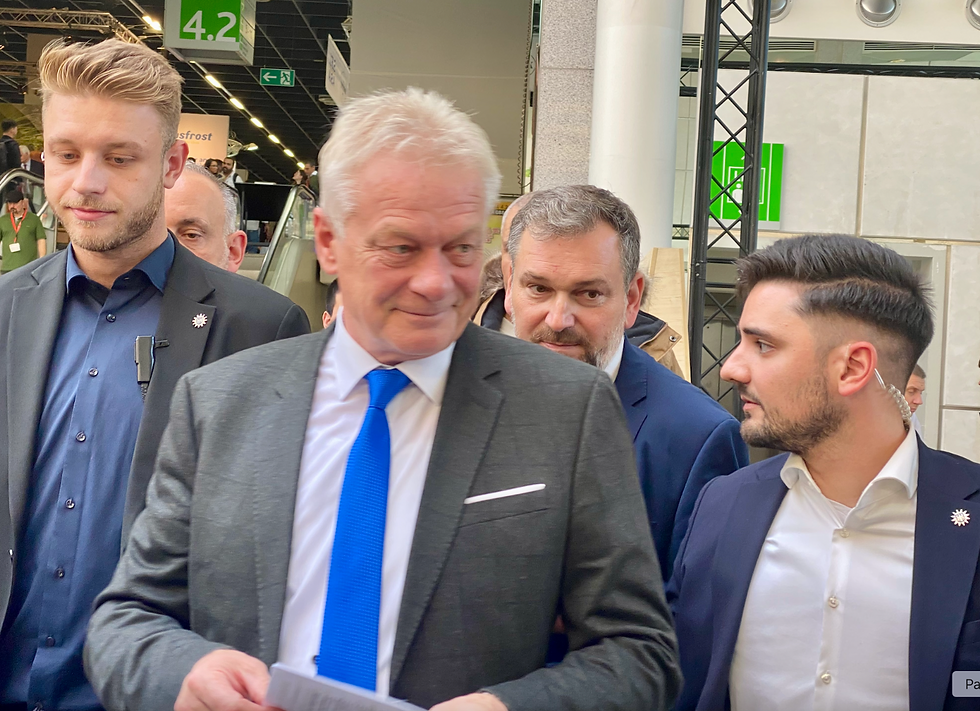
In autumn at ANUGA, he had explained the precarious situation in a panel discussion (link). After the discussion, Federal Minister of Agriculture Alois Rainer was asked for his view on the matter, but he responded cautiously. Hissting demands: "The federal government must finally throw its weight behind this issue and advocate for sensible genetic engineering regulations and the retention of mandatory labelling. But the conservative EPP group in the European Parliament must also stop ignoring fundamental economic interests in this way. According to VLOG, EPP MEPs Manfred Weber, Jessica Polfjärd and Stefan Köhler have not yet responded to the open letter from Rewe, dm, Alnatura, denree and Rapunzel.
Even patents are allowed
Even the long-controversial ‘patenting issue’ has now been cleared up in a fast-track procedure. The highly controversial promises made by proponents of genetic engineering include the development of ‘climate-resistant’ plants and ‘ensuring food security’, etc. These promises have not been proven by anything, but such plants may still be registered for patenting and are thus taken away from small and medium-sized breeders.

Autorin: Karin Heinze, BiO Reporter International,
Quellen: VLOG, Keine-gentechnik.de


Comments